.png)

All dogs
Description
Did you know?
Afghan Hound

Overview: “The elegant independent.” The Afghan Hound is an elegant and dignified breed, instantly recognizable by its long, silky coat and refined appearance. Originally bred as a sighthound for hunting across rugged terrain, they are athletic and capable runners, yet typically calm and composed in the home. Afghans tend to be independent and somewhat aloof with strangers, but they form deep, loyal bonds with their families and can show a playful, even silly side in the right environment.
While intelligent, Afghan Hounds are not highly eager to please, which can make training more challenging. Their independent nature requires patience, consistency, and realistic expectations. They need regular opportunities to run in securely fenced areas due to their strong prey drive and instinct to chase.
Grooming: The Afghan’s luxurious coat is high-maintenance and requires several hours of brushing each week to prevent tangles and matting. Regular bathing is also necessary to keep the coat clean and healthy, making grooming a significant time commitment.
Health: Afghan Hounds are generally healthy but can be prone to conditions such as bloat and sensitivity to anesthesia, which is common among sighthounds. Routine veterinary care, along with monitoring for these concerns, is important for maintaining their well-being.
Best Suited For: Experienced owners who appreciate an independent, graceful breed and are prepared for both their grooming demands and exercise needs.
To learn more about the Afghan Hound, click below!
Australian Cattle Dog

Overview: “The relentless working machine.” The Australian Cattle Dog, also known as the Blue Heeler, Red Heeler, or Queensland Heeler, is a compact, muscular herding breed developed in Australia and associated with the country’s native Dingo. Standing about 17–20 inches tall, it is a sturdy and agile dog built for demanding livestock work. Puppies are born white and mature into either blue-gray or red coats, often displaying speckled or mottled markings.
Highly intelligent and intensely driven, this breed thrives on purposeful activity and excels at moving and managing livestock. Loyal, alert, and sometimes cautious with strangers, Australian Cattle Dogs require consistent mental stimulation and regular exercise to prevent boredom and unwanted behaviors.
Grooming: Their short, weather-resistant coat is relatively low-maintenance, requiring occasional brushing to remove loose hair. Routine care such as nail trimming, ear cleaning, and dental hygiene is important.
Health: Australian Cattle Dogs are generally healthy but can be prone to conditions such as hip dysplasia, progressive retinal atrophy, and deafness. Regular veterinary care and responsible breeding practices help support long-term health.
Best Suited For: Active, committed owners who can provide consistent exercise, structured work, and mental stimulation. Australian Cattle Dogs thrive with purpose and may become bored or mischievous in low-activity homes.
To Learn More About the Australian Cattle Dog, click below!
Australian Shepherd

Overview: “The tireless ranch partner.” The Australian Shepherd is a lean, durable ranch dog developed in the United States, despite its European roots and association with Australia. Closely tied to Western ranching and rodeo culture, the Aussie is a medium-sized herding dog known for its keen expression and athletic ability. Their coats come in several variations, including blue or red merle and black tri.
Highly intelligent and driven, Australian Shepherds have a strong instinct to herd and may try to herd animals, other pets, or even children. Their energy and work ethic make them excellent partners for livestock work, performance sports, and active lifestyles, but they require consistent mental and physical engagement.
Grooming: Aussies have a weather-resistant double coat that requires weekly brushing, with more frequent grooming during shedding seasons to manage loose hair. Baths are only occasionally needed, along with routine nail trimming and general care.
Health: Australian Shepherds are generally healthy, though responsible breeders screen for conditions such as hip dysplasia, epilepsy, cataracts, and certain cancers. Regular ear checks and dental care are also important.
Best Suited For: Experienced, active owners.
To learn more about the Australian Shepherd, click below!
Basenji

Overview: “The barkless dog.” The Basenji is a small, elegant hunting dog known for its intelligence, independence, and unique vocalizations. Originally from Africa, this breed is recognized for its short, sleek coat, tightly curled tail, and wrinkled forehead. While they don’t bark, Basenjis communicate with a distinctive yodel-like sound.
Often described as catlike, Basenjis are fastidious, independent, and can be a challenge to train. They are affectionate with their families but require patience, exercise, and mental stimulation to thrive.
Grooming: Basenjis are very low-maintenance, with a short coat that requires only occasional brushing. They are naturally clean and typically lack a “doggy” odor, needing baths only when necessary. Routine care like nail trimming and dental hygiene is important.
Health: Basenjis are generally healthy, though responsible breeders screen for conditions such as Fanconi syndrome, progressive retinal atrophy (PRA), hypothyroidism, IPSID (a form of inflammatory bowel disease), and hip dysplasia.
Best Suited For: Experienced owners looking for an independent, low-maintenance dog with a unique personality and moderate exercise needs.
To learn more about the Basenji, click below!
Basset Hound

Overview: “The laid-back nose with a nap schedule.” The Basset Hound is a low-key, easygoing breed known for its calm, “couch potato” nature at home and its strong, scent-driven curiosity outdoors. Affectionate and loyal, Bassets are often comical and endearing companions, though they tend to show their love in a more laid-back way rather than being overly demonstrative. They enjoy attention but also have an independent, sometimes stubborn streak that reflects their scent hound heritage.
Basset Hounds benefit from a moderate daily walk, though they prefer a slower pace and are happiest when allowed to follow their nose. Once back home, they are more than content to relax and nap for extended periods. Training requires patience and consistency, as they can be self-directed, but they respond best to positive reinforcement.
Grooming: Their short coat is relatively easy to maintain but sheds consistently, requiring regular brushing to manage loose hair. Their long ears need frequent cleaning to prevent infections, and routine care such as nail trimming and dental hygiene is important.
Health: Basset Hounds are prone to certain health concerns, including ear infections due to their long ears, joint and back issues related to their body structure, and obesity if not properly managed. Regular veterinary care and weight management are essential.
Best Suited For: Owners who appreciate a relaxed, slower-paced companion and can provide patience in training, regular ear care, and consistent attention.
To learn more about the Basset Hound, click below!
Bavarian Mountain Scent Hound

Overview: “Precision tracker with a loyal heart.” The Bavarian Mountain Scent Hound is a calm, balanced hunting breed from Germany, known for its exceptional tracking ability and devotion to its owner. With an incredibly sensitive “cold nose,” this breed can follow even faint trails and distinguish injured game from others.
Steady, self-assured, and highly focused, Bavarians form strong bonds with their people and prefer close companionship. They are reserved with strangers but not aggressive, and thrive when given purposeful work and consistent interaction.
Grooming: Their short, dense coat requires regular brushing to keep it in good condition. Routine care like nail trimming, ear checks, and dental hygiene is important.
Health: Bavarian Mountain Scent Hounds are generally healthy. Responsible breeders screen their stock for health concerns like hip dysplasia and epilepsy, and use genetic testing to help reduce the likelihood of disease in their puppies.
Best Suited For: Experienced, active owners looking for a devoted, highly skilled tracking dog that thrives with purpose and close human connection.
To learn more about the Bavarian Mountain Scent Hound, click below!
Bearded Collie

Overview: “The cheerful, shaggy adventurer.” The Bearded Collie is an energetic herding breed originally developed to work the rugged hills of Scotland. Known for its playful personality, intelligence, and endless enthusiasm, the Bearded Collie thrives in active households where it can be included in daily adventures. Friendly and outgoing, these dogs form close bonds with their families and are happiest when they have both physical activity and companionship.
Bearded Collies are highly intelligent and eager to learn, making them very trainable with positive reinforcement. Their independent herding background means they benefit from consistent training, early socialization, and regular mental enrichment. They excel in activities such as obedience, agility, rally, herding, and hiking. Without enough exercise and mental stimulation, they may become bored and develop unwanted behaviors.
Grooming: Their long, double coat requires thorough brushing several times per week to prevent mats and tangles, with more frequent grooming during seasonal shedding. Regular bathing, nail trimming, ear cleaning, and dental care are also important. While their coat is high-maintenance, it naturally protects them from harsh weather and should not be routinely shaved.
Health: Bearded Collies are generally healthy and have a lifespan of approximately 12–14 years. Responsible breeders screen for inherited conditions such as hip dysplasia, autoimmune diseases, eye disorders, and hypothyroidism. Routine veterinary care, a healthy diet, and regular exercise help maintain their overall health.
Best Suited For: Active individuals or families looking for an affectionate, intelligent, and playful companion who can participate in outdoor adventures, dog sports, and daily exercise while keeping up with regular grooming.
To learn more about the Bearded Collie, click below!
Beauceron

Overview: “Powerful guardian with a sharp mind.” The Beauceron is a large, intelligent French herding breed known for its strength, confidence, and versatility. Strong yet athletic, they can stand up to 27.5 inches tall and are most often seen in black with distinctive red markings (“Bas-Rouge”), though other variations exist. With a bold but composed expression, the Beauceron is both an imposing worker and a capable companion.
Highly driven and quick-thinking, Beaucerons combine intelligence with strong protective instincts. They are loyal and attentive to their families, especially protective of those they see as vulnerable, but require early training and consistent leadership to develop into well-balanced companions.
Grooming: Beaucerons have a short, dense double coat that sheds heavily, especially during seasonal changes. Weekly brushing is recommended, with daily brushing during shedding periods. Routine care like nail trimming (including rear dewclaws), ear checks, and dental hygiene is important.
Health: Beaucerons are generally healthy, though they may be susceptible to conditions such as hip dysplasia, heart disease, eye disorders, allergies, and bloat. Responsible breeders screen for these issues.
Best Suited For: Experienced owners who can provide structure, training, and leadership for a strong, intelligent, and protective breed.
To learn more about the Beauceron, click below!
Bedlington Terrier

Overview: “The lamb in disguise.” The Bedlington Terrier is a distinctive breed known for its lamb-like appearance and gentle, affectionate nature. Despite their soft look, they are versatile companions that balance playfulness with a calm, easygoing demeanor. Bedlingtons are loyal and people-oriented, forming strong bonds with their families and enjoying both interactive play and relaxed time at home. While they have moderate energy levels and benefit from regular walks or play sessions, they are not overly demanding and typically settle well indoors, making them well-suited for a relaxed lifestyle.
Intelligent and generally responsive, Bedlington Terriers tend to train well with positive reinforcement, though they may show a touch of classic terrier independence. They can also have a mild prey drive, so supervision around smaller animals is recommended.
Grooming: Bedlingtons have a soft, curly, low-shedding coat that is often considered hypoallergenic, making them a strong option for allergy-sensitive households. However, their coat requires regular maintenance, including routine brushing and professional trimming every couple of months to maintain its signature shape and prevent matting.
Health: Bedlington Terriers are generally healthy, but responsible breeders screen for conditions such as copper toxicosis, a liver disorder more common in the breed. Regular veterinary checkups, along with routine ear cleaning and dental care, help support long-term health.
Best Suited For: Owners seeking an affectionate, adaptable, and relatively calm companion with moderate exercise needs and a low-shedding coat.
To learn more about the Bedlington Terrier, click below!
Belgian Laekenois
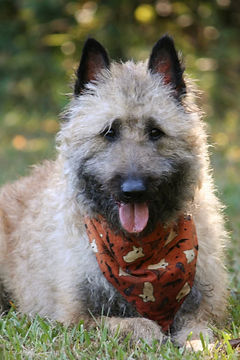
Overview: “The rare, rugged working partner.” The Belgian Laekenois is the rarest of the four Belgian herding breeds, originally developed to herd livestock and guard farms in Belgium. Highly intelligent, loyal, and hardworking, this versatile breed thrives when given a job to do. The Laekenois forms deep bonds with its family and is naturally alert and protective, making it an excellent companion for experienced owners who enjoy training and an active lifestyle.
Belgian Laekenois are eager to learn and highly trainable, excelling in obedience, agility, herding, tracking, scent work, and other canine sports. Early socialization and consistent, positive reinforcement are essential to help them develop into confident, well-mannered adults. They require plenty of daily physical exercise and mental stimulation, as an under-stimulated Laekenois can become destructive or develop unwanted behaviors.
Grooming: Their rough, wiry coat is relatively low-maintenance compared to many long-coated breeds. Weekly brushing is usually sufficient to remove loose hair and dirt, with occasional hand-stripping to maintain coat texture. Routine nail trimming, ear cleaning, dental care, and occasional baths will keep them looking and feeling their best.
Health: Belgian Laekenois are generally healthy and have a lifespan of approximately 10–12 years. Responsible breeders screen for inherited conditions such as hip and elbow dysplasia, eye disorders, and thyroid disease. Regular veterinary care, proper nutrition, and consistent exercise help support their long-term health.
Best Suited For: Active, experienced owners looking for an intelligent, devoted, and versatile working companion who can participate in advanced training, dog sports, or an active outdoor lifestyle while providing the leadership and mental stimulation this breed requires.
To learn more about the Belgian Laekenois, click below!
Belgian Malinois

Overview: "Alligator in disguise.” The Belgian Malinois is an intelligent, confident, and highly versatile working breed known for forming strong, devoted bonds with its handler. Squarely built and athletic, they typically stand 22–26 inches tall and combine strength with agility and elegance. Their short coat ranges from rich fawn to mahogany, accented by a distinctive black mask and erect ears that frame alert, dark eyes. Proud and purposeful in carriage, the Malinois is built for demanding, high-performance work.
Exceptionally trainable and eager to engage, Belgian Malinois thrive on structure, activity, and close partnership. They excel in advanced training environments and roles that require precision, focus, and endurance. Without consistent mental stimulation and physical exercise, they can quickly develop behavioral challenges.
Grooming: Their short, weather-resistant coat is low-maintenance, requiring only occasional brushing to manage shedding. Routine care such as nail trimming, ear cleaning, and dental hygiene is important.
Health: Belgian Malinois are generally healthy but can be prone to conditions such as hip and elbow dysplasia, progressive retinal atrophy, and certain sensitivities associated with high-drive working breeds. Regular veterinary care and responsible breeding practices are essential.
Best Suited For: Experienced, highly active owners who can provide intensive training, daily exercise, and meaningful work, ideally in a structured environment where the dog can engage closely with its handler.
Disclaimer: The Belgian Malinois is not a typical companion dog and is often unsuitable for casual pet homes. Their extreme drive, intelligence, and need for constant engagement can lead to serious behavioral issues, including destructiveness, reactivity, or anxiety, if their needs are not consistently met. This breed requires experienced handling, firm structure, and a lifestyle centered around training and purposeful activity.
To learn more about the Belgian Malinois, click below!
Belgian Sheepdog

Overview: “The elegant, devoted protector.” The Belgian Sheepdog is an intelligent and versatile herding breed originally developed to herd and guard livestock in Belgium. Known for its striking black coat, unwavering loyalty, and strong work ethic, this breed thrives when given a purpose and enjoys being closely involved with its family. Belgian Sheepdogs are affectionate with those they know while remaining naturally alert and reserved around strangers, making them excellent watchdogs and devoted companions.
Belgian Sheepdogs are highly intelligent and eager to please, excelling in obedience, agility, herding, rally, scent work, and many other canine sports. They respond best to positive, consistent training and benefit from early socialization to build confidence. As a high-energy working breed, they require plenty of daily exercise and mental stimulation to prevent boredom and unwanted behaviors.
Grooming: Their long, weather-resistant double coat requires brushing two to three times per week to prevent tangles and remove loose hair, with more frequent grooming during seasonal shedding. Routine baths, nail trimming, ear cleaning, and dental care are also important to maintain their overall health and appearance.
Health: Belgian Sheepdogs are generally healthy and have a lifespan of approximately 12–14 years. Responsible breeders screen for inherited conditions such as hip and elbow dysplasia, eye disorders, epilepsy, and certain cancers. Regular veterinary care, proper nutrition, and consistent exercise help support a long, healthy life.
Best Suited For: Active individuals or families looking for an intelligent, loyal, and highly trainable companion who can participate in outdoor activities, advanced training, or dog sports while receiving plenty of daily mental and physical exercise.
To learn more about the Belgian Sheepdog, click below!
Belgian Turverun

Overview: “The graceful, driven all-around athlete.” The Belgian Tervuren is an intelligent and highly versatile herding breed originally developed to herd and protect livestock in Belgium. Known for its elegant appearance, unwavering loyalty, and exceptional work ethic, the Tervuren thrives when given both a job and close companionship with its family. These dogs are affectionate and devoted with those they know while remaining naturally alert and reserved around strangers, making them excellent watchdogs and active companions.
Belgian Tervurens are highly intelligent and eager to work, excelling in obedience, agility, herding, rally, tracking, scent work, protection sports, and other canine activities. They respond best to consistent, positive reinforcement and early socialization. As a high-drive working breed, they require substantial daily physical exercise and mental stimulation to remain happy and well-balanced. Without enough activity, they can become bored and develop undesirable behaviors.
Grooming: Their long, weather-resistant double coat requires brushing two to three times per week to prevent mats and remove loose hair, with more frequent grooming during seasonal shedding. Regular baths, nail trimming, ear cleaning, and dental care are also important to maintain their health and coat condition.
Health: Belgian Tervurens are generally healthy and have a lifespan of approximately 12–14 years. Responsible breeders screen for inherited conditions such as hip and elbow dysplasia, epilepsy, eye disorders, and thyroid disease. Regular veterinary care, proper nutrition, and consistent exercise help support a long, healthy life.
Best Suited For: Active, experienced owners looking for an intelligent, athletic, and devoted companion who can participate in advanced training, dog sports, hiking, or other demanding activities while receiving plenty of daily mental and physical stimulation.
To learn more about the Belgian Tervuren, click below!
Bergamasco Sheepdog

Overview: “The ancient, calm, and devoted shepherd.” The Bergamasco Sheepdog is an ancient herding breed originally developed in the Italian Alps to guard and move flocks across challenging mountain terrain. Known for its unique felted coat, intelligence, and independent nature, the Bergamasco is a steady and thoughtful companion that forms deep bonds with its family. Unlike many high-energy herding breeds, the Bergamasco is naturally calm and balanced, making it well-suited for families who want a loyal guardian with a more relaxed temperament.
Bergamascos are intelligent, observant, and naturally problem-solving dogs. They were bred to work independently with shepherds, so they can be more independent-minded than breeds that constantly seek direction. They respond best to patient, positive training and early socialization. While they enjoy outdoor activities and adventures, they typically do not require constant high-intensity exercise and are happiest when included as part of the family.
Grooming: Their most distinctive feature is their unique coat, which develops into loose mats called “flocks” that provide protection from harsh weather. Coat care requires understanding the breed’s natural texture, with owners separating and maintaining the flocks as they form rather than brushing them out like a typical coat. Regular ear cleaning, nail trimming, dental care, and occasional bathing are important to support overall health.
Health: Bergamasco Sheepdogs are generally healthy and have a lifespan of approximately 13–15 years. As a rare breed, responsible breeders focus on maintaining genetic diversity and screening for concerns such as hip dysplasia, eye disorders, and other inherited conditions. Routine veterinary care, proper nutrition, and regular activity help support their overall well-being.
Best Suited For: Families or individuals looking for a calm, intelligent, and devoted companion with a unique appearance who can enjoy outdoor activities while appreciating a more independent and easygoing herding breed.
To learn more about the Bergamasco Sheepdog, click below!
Berger Picard

Overview: “The rustic, clever French farm companion.” The Berger Picard is one of France’s oldest herding breeds, originally developed to herd and guard livestock in the Picardy region of northern France. Known for its distinctive wiry coat, expressive ears, and lively personality, the Berger Picard is an intelligent, loyal, and independent working dog. These dogs form strong bonds with their families and thrive when they are included in daily activities, whether that means hiking, training, or simply being an active household companion.
Berger Picards are intelligent, observant, and naturally problem-solving dogs. Their independent herding background means they may not always blindly obey, but they are eager to work with owners who use positive, consistent training methods. Early socialization is important, as they can be reserved with strangers, and regular mental stimulation helps keep their active minds engaged. They excel in activities such as obedience, agility, herding, rally, and other dog sports.
Grooming: Their rough, weather-resistant double coat is relatively low-maintenance and typically only requires brushing once or twice per month to remove loose hair and debris. Over-brushing can damage the coat’s natural texture, so grooming should focus on maintaining its rustic appearance. Regular nail trimming, ear cleaning, dental care, and occasional baths are also important.
Health: Berger Picards are generally healthy and have a lifespan of approximately 12–13 years. Responsible breeders screen for conditions such as hip dysplasia, eye disorders, and other inherited health concerns. Regular veterinary care, proper nutrition, and maintaining a healthy weight help support their long-term well-being.
Best Suited For: Active individuals or families looking for an intelligent, loyal, and independent herding companion who enjoys outdoor adventures, training, and having a meaningful role within the household.
To learn more about the Berger Picard, click below!
Bernese Mountain Dog

Overview: “The gentle cuddle giant.” The Bernese Mountain Dog is a sweet, affectionate, and deeply people-oriented breed known for its gentle, easygoing temperament. They form strong bonds with their families and are typically excellent with children and other animals. While they enjoy outdoor activities like walks or hikes, Berners are just as happy relaxing at home, making them well-balanced companions when given enough daily exercise and, most importantly, quality time with their people.
Bernese Mountain Dogs are intelligent and eager to please, responding well to positive reinforcement training. They are sensitive dogs and do best with patient, gentle guidance rather than harsh methods. Because of their strong attachment to their families, they do not tolerate being left alone for long periods and may develop behavioral issues if they lack companionship.
Grooming: Their thick, double coat requires regular brushing—at least weekly, and more often during shedding seasons—to manage loose hair and prevent matting. Routine care such as nail trimming, ear cleaning, and dental hygiene is also important.
Health: Bernese Mountain Dogs are prone to several serious health concerns, including a higher risk of cancer, joint issues such as hip and elbow dysplasia, and bloat. They also have a relatively short lifespan, often around 8–10 years. Regular veterinary care and responsible breeding are essential for managing these risks.
Best Suited For: Owners who can provide consistent companionship, gentle training, and regular grooming, and who are prepared for the health considerations of a large, affectionate breed.
To learn more about the Bernese Mountain Dog, click below!
Bichon Frise

Overview: “The cheerful cloud companion.” The Bichon Frise is a cheerful, affectionate breed known for its happy-go-lucky personality and strong desire to be around people. These small companions are friendly, gentle, and typically get along well with children and other pets, often bringing a playful, almost comedic energy to the home while still enjoying plenty of cuddle time. Bichons are adaptable and balance short bursts of play with a calm, relaxed nature, making them excellent companions for a variety of lifestyles.
Intelligent and eager to please, Bichon Frises generally respond well to positive reinforcement training, though they can be somewhat challenging to housetrain and benefit from consistency and patience. They thrive on human interaction and may develop separation anxiety if left alone for extended periods.
Grooming: The Bichon’s soft, curly, hypoallergenic coat is low-shedding but high-maintenance. Frequent brushing is needed to prevent tangles and matting, along with professional grooming every 4–6 weeks to maintain their signature appearance. Routine care such as ear cleaning, nail trimming, and dental hygiene is also important.
Health: Bichon Frises are generally healthy but can be prone to issues such as allergies, dental disease, and bladder problems. Regular veterinary checkups and proper grooming help support their overall well-being.
Best Suited For: Owners seeking a social, affectionate, and adaptable companion who can provide regular attention and keep up with grooming needs.
To learn more about the Bichon Frise, click below!
Bohemian Shepherd

Overview: “Versatile athlete with a devoted heart.” The Bohemian Shepherd is an intelligent, energetic herding breed known for its agility, versatility, and strong bond with its family. Athletic and eager to work, they excel in a wide range of activities including agility, tracking, search and rescue, and obedience.
Friendly and affectionate, Bohemian Shepherds are devoted family companions who do especially well with children and other pets when properly raised. Naturally alert and protective, they make effective watchdogs and may be vocal when sensing unfamiliar activity.
Grooming: Their coat is easy to maintain, requiring weekly brushing and occasional baths. They are seasonal shedders, needing more frequent grooming during shedding periods.
Health: Bohemian Shepherds are generally healthy, with no widespread breed-specific issues. Breeding programs focus on reducing risks such as hip and elbow dysplasia, degenerative myelopathy, and epilepsy while maintaining genetic diversity.
Best Suited For: Active families or individuals looking for a loyal, versatile dog that thrives on activity and close companionship.
To learn more about the Bohemian Shepherd, click below!
Bolognese

Overview: “The quiet shadow companion.” The Bolognese is a calm, low-energy companion known for its thoughtful, slightly reserved personality and strong devotion to its people. These small dogs form close bonds with their owners and thrive on companionship, often happiest relaxing nearby or quietly observing their surroundings. While they enjoy light play and interaction, they are naturally easygoing and well-suited for apartment living or more relaxed households.
Bolognese dogs are intelligent and generally respond well to gentle, positive training, though they can show a touch of independence at times. They do best with consistent boundaries and early socialization to prevent shyness with strangers or the development of “small dog syndrome.” Because of their strong attachment, they may struggle with separation anxiety if left alone for extended periods.
Grooming: Their soft, white, low-shedding coat is a benefit for allergy-sensitive households but requires regular maintenance. Frequent brushing is needed to prevent tangles and matting, along with routine care such as bathing, ear cleaning, nail trimming, and dental hygiene.
Health: Bolognese are generally healthy but can be prone to issues such as patellar luxation and dental disease. Regular veterinary care and proper grooming help support their overall well-being.
Best Suited For: Owners seeking a loyal, gentle, and low-key companion who can provide consistent attention and maintain regular grooming for a low-shedding dog.
To learn more about the Bolognese, click below!
Border Collie

Overview: “The smartest workaholic.”The Border Collie is an exceptionally intelligent and energetic herding breed known for its intense focus and unmatched work ethic. Standing 18–22 inches tall, this athletic, medium-sized dog combines strength with agility and endurance. Both rough and smooth coat varieties come in a wide range of colors and patterns. Their almond-shaped eyes reflect a sharp, thoughtful expression, highlighted by the breed’s signature “herding eye.”
Highly trainable and driven, Border Collies excel in activities such as herding, agility, and obedience. They thrive when given purposeful work and consistent mental stimulation. Friendly with those they know, they may be somewhat reserved with strangers.
Grooming: Their dense, weather-resistant double coat (rough or smooth) requires brushing once or twice a week, with daily brushing during shedding seasons. Routine care such as nail trimming, ear checks, and dental hygiene is important.
Health: Border Collies are generally hardy but may be prone to conditions such as hip dysplasia, progressive retinal atrophy, epilepsy, deafness, collie eye anomaly, neuronal ceroid lipofuscinosis, and trapped neutrophil syndrome. Responsible breeders screen for these issues.
Best Suited For: Very active, experienced owners who can provide daily exercise, advanced training, and a meaningful job.
To learn more about the Border Collie, click below!
Borzoi

Overview: “Elegant sprinter with a gentle soul.” The Borzoi is a large, graceful sighthound from Russia, originally bred to hunt fast-moving game like wolves and hare. Built for speed, agility, and endurance, they rely on their keen eyesight to chase prey and can reach impressive speeds.
Despite their athletic ability, Borzois are calm, quiet companions indoors and often enjoy a relaxed lifestyle. They are affectionate with their families but typically reserved with strangers, and their independent nature can make training a challenge.
Grooming: Their long, silky coat requires brushing several times a week to manage shedding and prevent tangles. Hair around the paws should be trimmed regularly, along with routine care like nail trimming, ear checks, and dental hygiene.
Health: Borzois are generally healthy, though they may be prone to conditions such as degenerative myelopathy, thyroid issues (hypothyroidism), and dental concerns.
Best Suited For: Owners looking for a calm, independent companion who can provide regular exercise and a secure space for running.
To learn more about the Borzoi, click below!
Boston Terrier

Overview: “The American Gentleman.” The Boston Terrier is a compact, friendly companion known for its tuxedo-like coat, expressive eyes, and charming personality. Small but sturdy, Bostons are lively, affectionate dogs that thrive in both city and suburban environments.
Playful and people-oriented, they are social dogs who love being involved in daily life. Intelligent and full of personality, Bostons are natural entertainers and respond well to gentle, positive training. Their moderate energy levels make them equally happy on a walk or relaxing at home.
Grooming: Their short, smooth coat is low-maintenance, requiring weekly brushing and occasional baths. Routine care like nail trimming, ear checks, and dental hygiene is important.
Health: Boston Terriers are generally healthy but may be prone to eye conditions (such as cataracts, corneal ulcers, and glaucoma), patellar luxation, and deafness. Due to their flat-faced structure, they can also be sensitive to heat and humidity and may experience breathing difficulties.
Best Suited For: Individuals or families looking for a friendly, adaptable companion that enjoys both playtime and relaxed home life.
To learn more about the Boston Terrier, click below!
Bouvier des Ardennes

Overview: “Rustic worker with relentless drive.” The Bouvier des Ardennes is a medium-sized Belgian drover bred to herd cattle and guard property. Hardy, muscular, and surefooted, this breed is built for long days of work in tough conditions. With a rough, weather-resistant coat and a natural, no-frills appearance, they are valued for function over form.
Intelligent, alert, and highly driven, Bouviers des Ardennes are dedicated working dogs with strong instincts and a stubborn streak. They are loyal to their families but require early training and socialization, as well as a job or purpose to stay fulfilled.
Grooming: Their rough, medium-length coat is low-maintenance, requiring weekly brushing and occasional baths. The coat is meant to remain natural and should not be heavily groomed or stripped.
Health: Generally healthy, though breeders should screen for hip and elbow dysplasia. DNA testing for conditions like spinocerebellar ataxia may also be considered.
Best Suited For: Experienced, active owners who can provide structure, training, and meaningful work for a high-energy, driven dog.
To learn more about the Bouvier des Ardennes, click below!
Bouvier des Flandres
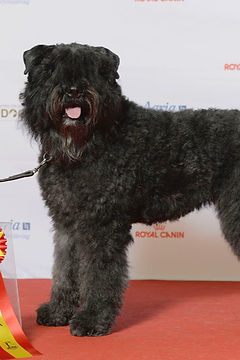
Overview: “The powerful, steady farm guardian.” The Bouvier des Flandres is a versatile working breed originally developed on Belgian farms to herd cattle, pull carts, and protect livestock. Known for its impressive strength, intelligence, and calm confidence, the Bouvier is a devoted companion that thrives when given a purpose. Despite their powerful appearance, Bouviers are affectionate and deeply loyal with their families, making them excellent guardians and steady household companions.
Bouviers are intelligent, independent, and naturally protective, requiring confident and consistent training from an early age. They respond best to positive reinforcement and benefit greatly from early socialization to help them become well-rounded adults. While they are not typically as energetic as some herding breeds, they still need daily exercise and mental engagement. They excel in activities such as obedience, herding, carting, tracking, and protection sports.
Grooming: Their thick, rough double coat requires regular maintenance to prevent mats and keep the coat healthy. Brushing several times per week is recommended, along with regular trimming or hand-stripping to maintain the traditional Bouvier appearance. Routine nail trimming, ear cleaning, dental care, and occasional baths are also important.
Health: Bouvier des Flandres are generally healthy and have a lifespan of approximately 10–12 years. Responsible breeders screen for health concerns including hip and elbow dysplasia, eye disorders, heart conditions, thyroid issues, and bloat (gastric dilatation-volvulus). Maintaining a healthy weight and discussing preventative care with a veterinarian are important for this large breed.
Best Suited For: Experienced owners or families looking for a loyal, intelligent, and protective companion who can provide consistent leadership, enjoy outdoor activities, and appreciate the grooming and training needs of a large working breed.
To learn more about the Bouvier des Flandres, click below!
Briard

Overview: “The devoted, intelligent French guardian.” The Briard is an ancient herding breed from France, originally developed to herd and protect sheep across the French countryside. Known for its long, flowing coat, loyal nature, and strong protective instincts, the Briard is a confident and affectionate companion that forms deep bonds with its family. These dogs are happiest when they have a close relationship with their owners and a meaningful role in daily life.
Briards are intelligent, independent, and highly trainable, with a natural desire to work alongside their people. Their protective instincts make early socialization and consistent, positive training especially important. They excel in activities such as obedience, herding, agility, rally, therapy work, and other canine sports. While they are devoted to their families, they can be reserved with strangers and benefit from thoughtful introductions.
Grooming: Their long, coarse double coat requires significant maintenance to prevent mats and tangles. Regular brushing several times per week is recommended, with more frequent grooming needed for dogs kept in a full coat. Routine baths, nail trimming, ear cleaning, and dental care are also important to maintain their health and appearance.
Health: Briards are generally healthy and have a lifespan of approximately 10–12 years. Responsible breeders screen for conditions such as hip dysplasia, progressive retinal atrophy (PRA), congenital stationary night blindness (CSNB), thyroid disorders, and bloat (gastric dilatation-volvulus). Regular veterinary care, proper nutrition, and maintaining a healthy weight help support their overall well-being.
Best Suited For: Active owners or families looking for an intelligent, loyal, and protective companion who enjoys training, outdoor activities, and being closely involved with the household while keeping up with extensive grooming needs.
To learn more about the Briard, click below!
Broholmer

Overview: “Gentle giant with a loyal heart.” The Broholmer is a large, mastiff-type breed from Denmark known for its calm, good-natured temperament and natural guarding instincts. Strongly built with a broad head and powerful frame, this breed was historically used to guard homes and herd cattle. Despite their size, Broholmers are affectionate, social, and love being close to their families.
Confident yet gentle, they are great with children and other dogs, though supervision is recommended due to their size. They are surprisingly agile and enjoy joining their owners in activities like walks, hikes, and play.
Grooming: Broholmers have relatively low grooming needs, requiring weekly brushing and occasional baths. Routine care like nail trimming, ear checks, and dental hygiene is important.
Health: Broholmers are generally healthy. Working with a responsible breeder helps ensure awareness of any potential health concerns and promotes well-bred, healthy dogs.
Best Suited For: Families or individuals looking for a calm, affectionate large dog who enjoys companionship and moderate activity.
To learn more about the Broholmer, click below!
Calupoh

Overview: “Ancient roots, modern loyalty.” The Calupoh is a rare Mexican breed with a striking, wolf-like appearance and deep historical roots dating back over 2,000 years. Originally developed from crossings between native dogs and wolves, today’s Calupoh retains a noble presence, with a sleek black coat, long legs, and distinctive yellow eyes.
Loyal, adaptable, and even-tempered, Calupohs form strong bonds with their families and thrive as versatile companions. Their intelligence and calm, tolerant nature allow them to adjust well to a variety of activities and lifestyles.
Grooming: Calupohs are low-maintenance, requiring only occasional brushing, with more frequent grooming during seasonal shedding. Baths are infrequent, and routine care like nail trimming is important.
Health: Most Calupohs are generally healthy. Working with a responsible breeder helps ensure awareness of any potential health concerns.
Best Suited For: Owners looking for a loyal, adaptable companion with a unique appearance and moderate grooming needs.
To learn more about the Calupoh, click below!
Canaan Dog

Overview: “Ancient guardian, modern companion.” The Canaan Dog is a medium-sized, agile breed and the national dog of Israel. Originally a pasture and guard dog, they are lean, rugged, and built for endurance, with a harsh double coat, bushy tail, and alert, expressive features. Their natural athleticism and stamina make them excellent partners for active lifestyles.
Canaan Dogs are intelligent, confident, and territorial. They are loyal and docile with their families but naturally aloof with strangers, making them effective watchdogs. Early training and socialization are essential, as they respond best to consistent, positive leadership.
Grooming: Canaans are naturally clean and require minimal grooming. Their double coat sheds seasonally, during which more frequent brushing is helpful. Routine care like nail trimming, ear checks, and dental hygiene is important.
Health: Canaan Dogs are generally healthy, supported by a small, dedicated breeding community focused on maintaining the breed’s well-being.
Best Suited For: Experienced owners looking for an intelligent, independent guardian who benefits from early training and an active lifestyle.
To learn more about the Canaan Dog, click below!
Carolina Dog

Overview: “America’s wild dog.” The Carolina Dog is a medium-sized, primitive breed with a fox- or wolf-like appearance, descended from ancient dogs that accompanied early humans across the Bering land bridge. Naturally found in the southeastern United States, they have pointed ears, a slender build, and a tail that curves like a fishhook when raised.
Carolina Dogs are intelligent and highly pack-oriented, often shy and cautious with strangers but deeply loyal once they bond with their people. They are alert and will sound the alarm, yet are affectionate and enthusiastic with those they trust.
Grooming: Carolina Dogs are low-maintenance and naturally clean. Their short-to-medium coat requires occasional brushing, with seasonal shedding increases. Routine care like nail trimming and occasional baths is sufficient.
Health: Carolina Dogs are generally healthy, though some may be sensitive to certain medications like ivermectin. Working with a responsible breeder helps ensure awareness of any potential health concerns.
Best Suited For: Patient, experienced owners looking for a loyal, independent dog with strong pack instincts and a more primitive temperament.
To learn more about the Carolina Dog, click below!
Cavalier King Charles Spaniel

Overview: “The affectionate companion.” The Cavalier King Charles Spaniel is a gentle, affectionate, and adaptable little spaniel known for its sweet expression, silky coat, and easygoing nature. Originally bred as a companion dog, Cavaliers combine the attentiveness of a toy breed with the athleticism and enthusiasm of a sporting spaniel. They can happily spend the day curled up beside you, but they also enjoy walks, play, and exploring. Cavaliers generally get along well with children and other dogs and tend to form very close bonds with their families.
While Cavaliers are generally eager and adaptable, they are very people-oriented and can struggle when left alone for long periods. They thrive on companionship and are happiest when they can be involved in their owner's daily life.
Grooming: The Cavalier’s medium to long, silky coat requires regular upkeep to stay tangle-free. Daily brushing is recommended, particularly around the ears, chest, legs, tail, and underside, where tangles are most likely to form. Regular baths, nail care, and ear checks are also important, with professional grooming every few weeks being an option for owners who prefer it.
Health: Cavaliers can be prone to several health conditions, including mitral valve disease, syringomyelia, patellar luxation, hip dysplasia, and certain eye conditions. Responsible breeders should screen their breeding dogs for these concerns. Recommended health tests from the American Cavalier King Charles Spaniel Club (ACKCSC) include hip evaluation, patella evaluation, cardiac examination, and ophthalmologist evaluation.
Best Suited For: Families, couples, or individuals looking for an affectionate, adaptable companion who can enjoy both active outings and quiet time at home.
To learn more about the Cavalier King Charles Spaniel, click below!
Chihuahua

Overview: “Tiny dog, huge personality.” The Chihuahua is a small but confident breed known for its charm, loyalty, and bold, terrier-like attitude. Originating from Mexico, it is one of the oldest breeds in the Americas. Weighing no more than 6 pounds, Chihuahuas are easily recognized by their rounded “apple” head, large expressive eyes, and upright ears. Their coats can be either short or long and come in a wide variety of colors and patterns.
Despite their size, Chihuahuas have big personalities and benefit from consistent training to prevent bossy behavior. They are affectionate and thrive on close companionship, making them excellent city pets, though they require care around small children and in colder weather.
Grooming: Smooth-coat Chihuahuas need minimal brushing, while longhaired varieties require weekly brushing to prevent tangles. Routine care like nail trimming, ear cleaning, and regular dental hygiene is essential.
Health: Chihuahuas are generally healthy, though they may experience conditions such as heart disease, eye disorders, patellar luxation, and epilepsy. Responsible breeders screen for these issues to promote healthy dogs.
Best Suited For: Individuals or families looking for a small, loyal companion who enjoys close contact and fits well in smaller living spaces.
To learn more about the Chihuahua, click below!
Cirneco dell'Etna

Overview: “Ancient sprinter with a gentle soul.” The Cirneco dell’Etna (cheer-NEK-o dell-et-na) is a sleek, athletic sighthound from Sicily, bred for hunting on rugged terrain. Lightly built yet durable, they are known for quick bursts of speed, large upright ears, and a short coat in shades of tan or chestnut. Often compared to a smaller Pharaoh Hound, they combine elegance with endurance.
Sweet-natured and independent, Cirnechi are affectionate, low-maintenance companions at home. While they retain a strong prey drive, they are often considered more trainable than typical sighthounds and form loyal bonds with their families.
Grooming: Their short, smooth coat requires minimal care, with weekly brushing and occasional baths. Routine care like nail trimming, ear checks, and dental hygiene is important.
Health: Cirnechi are a hardy and generally healthy breed. With proper nutrition, regular veterinary care, and adequate exercise, they tend to live long, healthy lives.
Best Suited For: Active owners looking for a small, athletic dog with a gentle temperament and relatively low maintenance needs.
To learn more about the Cirneco dell’Etna, click below!
Clumber Spaniel

Overview: “The Slow-Moving Gentleman.” The Clumber Spaniel is the largest of the flushing spaniels, known for its mellow temperament, sturdy build, and easygoing nature. Built long and low with heavy bone, Clumbers are powerful yet relaxed companions who enjoy both outdoor activity and long stretches of lounging at home. Their dense white coat with lemon or orange markings adds to their classic, dignified appearance.
Sweet, loyal, and affectionate, Clumbers are friendly with family and generally good with children and other pets. While calm indoors, they retain strong scenting instincts and can be surprisingly determined in the field. Intelligent and eager to please, they respond well to training, though they may be a bit reserved with strangers.
Grooming: Their dense coat is relatively easy to maintain with weekly brushing, though they do shed and drool. Regular ear cleaning is essential due to their low-set ears, and facial folds should be kept clean and dry. Routine care like nail trimming and dental hygiene is important.
Health: Clumber Spaniels are generally healthy but may be prone to conditions such as hip dysplasia, hypothyroidism, eye disorders (entropion/ectropion), intervertebral disc disease, and certain immune conditions. Responsible breeders screen for these concerns.
Best Suited For: Owners looking for a calm, affectionate companion who enjoys a slower pace of life and can manage some shedding, drooling, and routine upkeep.
To learn more about the Clumber Spaniel, click below!
Collie (Rough or Smooth)

Overview: “The loyal herder with Hollywood charm.” The Collie is a graceful, intelligent herding breed known for its loyalty, gentle nature, and strong bond with its family. There are two coat varieties: the full-coated Rough Collie and the shorter-coated Smooth Collie. Both varieties share the same elegant build, wedge-shaped head, expressive almond eyes, and classic Collie character.
Collies are swift, athletic dogs that thrive on companionship, regular exercise, and gentle training. They are famously fond of children and are often wonderful family companions when properly raised and socialized. Intelligent, responsive, and eager to learn, Collies usually do best in homes where they are included in daily life and given both physical activity and mental engagement.
Grooming: Smooth Collies have a short double coat that does not mat, but they still need regular brushing, especially during shedding periods when the undercoat needs to be removed. Rough Collies require more coat care to prevent matting, especially behind the ears, around the elbows, and in other friction areas. Weekly brushing down to the skin helps keep the coat and skin healthy, with extra grooming needed during heavier seasonal sheds.
Health: Collies are generally healthy and often live around 12 to 14 years. Responsible breeders screen for breed-related health concerns, including Collie Eye Anomaly, Progressive Retinal Atrophy, Multidrug Resistance 1 mutation, and Dermatomyositis. Puppies should have an eye exam by a board-certified veterinary ophthalmologist between 6 and 8 weeks of age to check for Collie Eye Anomaly. Some Collies may also have the MDR1 mutation, which can make them sensitive to certain medications. Recommended health tests include PRA-rcd2 DNA testing, MDR1 DNA testing, DMS DNA testing, and CEA DNA testing.
Best Suited For: Families or individuals looking for a loyal, intelligent, gentle companion with moderate athleticism and a strong desire to be part of family life. Collies are especially well-suited for owners who can provide regular exercise, companionship, training, and, for Rough Collies, consistent coat care.
To learn more about the Collie, click below!
Coton de Tulear

Overview: “The cotton-coated comedian.” The Coton de Tulear is a cheerful, affectionate companion known for its soft white coat and playful, clownish personality. Small but sturdy, Cotons thrive on human connection and are happiest following their favorite person from room to room.
Friendly, intelligent, and full of charm, they form strong bonds with their families and are often described as witty, gentle, and naturally entertaining. They enjoy light activity and play but are just as content relaxing and providing companionship at home.
Grooming: Their long, cotton-like coat requires frequent—often daily—brushing to prevent matting unless kept in a shorter clip. Regular ear cleaning, nail trimming, and dental care are also important.
Health: Cotons are generally a healthy breed with relatively few genetic issues, though they may occasionally experience eye problems, hip dysplasia, luxating patella, or spinal disc disease. Responsible breeders screen to maintain breed health.
Best Suited For: Owners seeking a devoted, playful, and affectionate companion who can provide consistent attention and commit to regular grooming.
To learn more about the Coton de Tulear, click below!
Czechoslovakian Vlcak

Overview: “Wolf-like athlete with an independent mind.” The Czechoslovakian Vlcak (check-slow-vaa-kee-an vul-chuck) is a striking, wolf-like working breed developed in the 1950s for border patrol. Lean, powerful, and built for endurance, they have exceptional stamina and highly developed senses, making them well-suited for tracking, search and rescue, and other demanding work.
Highly intelligent and self-directed, Vlcaks are independent thinkers and not well suited for repetitive tasks or roles requiring constant obedience. They form strong bonds with their owners but require experienced handling, structure, and plenty of physical and mental stimulation.
Grooming: Their weather-resistant coat is low-maintenance and naturally clean, requiring minimal bathing. They shed heavily twice a year, during which daily brushing is needed. Routine care like nail trimming, ear checks, and dental hygiene is important.
Health: Czechoslovakian Vlcaks are generally healthy and robust. Working with a knowledgeable breeder can help identify any potential concerns within specific bloodlines.
Best Suited For: Experienced, highly active owners looking for an independent, intelligent dog suited for outdoor activities and advanced training.
To learn more about the Czechoslovakian Vlcak, click below!
Doberman Pinscher

Overview: “The noble protector.” The Doberman Pinscher is a sleek, powerful, and highly intelligent breed known for its loyalty and protective instincts. Originally developed as a guard dog, the Doberman is fast, muscular, and elegant, with a short coat in colors such as black, blue, red, or fawn with rust markings. Their noble appearance and confident movement have earned them a reputation as one of the most respected protection breeds.
Alert, fearless, and deeply loyal, Dobermans form strong bonds with their families and thrive with consistent training and companionship. They are highly trainable and excel in roles requiring focus, intelligence, and responsiveness.
Grooming: Dobermans are low-maintenance and considered a “wash and wear” breed. Regular brushing helps keep their coat healthy, along with routine nail trimming, ear cleaning, and dental care.
Health: Dobermans are generally healthy but can be affected by conditions such as bloat, hip dysplasia, dilated cardiomyopathy, von Willebrand’s disease, progressive retinal atrophy, hypothyroidism, and some neurological disorders. Responsible breeders screen for these conditions to help ensure healthy dogs.
Best Suited For: Experienced owners or families looking for a loyal, intelligent, and protective companion who can provide structure, training, and regular engagement.
To learn more about the Doberman Pinscher, click below!
English Cocker Spaniel

Overview: “The merry, well-balanced companion.” The English Cocker Spaniel is a compact, silky-coated sporting dog known for its cheerful personality and balanced nature. Lively and energetic in the field yet calm and affectionate at home, they are both capable hunting partners and delightful family companions.
Friendly, intelligent, and eager to please, English Cockers are highly trainable and thrive on companionship. They are social dogs who bond closely with their families and enjoy being involved in daily life, making them excellent all-around companions.
Grooming: Their medium-length, silky coat requires regular brushing and combing at least once a week to prevent tangles and matting. Routine trimming around the ears, feet, and tail is recommended, along with regular ear checks, nail trimming, and dental care.
Health: English Cocker Spaniels are generally healthy but may be prone to conditions such as progressive retinal atrophy, hip dysplasia, familial nephropathy, and adult-onset neuropathy. Responsible breeders screen for these concerns.
Best Suited For: Owners looking for a friendly, affectionate, and moderately active companion who enjoys both outdoor activity and relaxed home life.
To learn more about the English Cocker Spaniel, click below!
English Springer Spaniel

Overview: “The happy-go-lucky athlete.” The English Springer Spaniel is a friendly, energetic sporting dog known for its intelligence, stamina, and eagerness to please. Originally bred as a hunting companion, Springers are built for long days in the field, with a strong, muscular frame and a smooth, ground-covering stride. Their long ears and kind, expressive eyes give them a gentle, lovable appearance.
Highly social and people-oriented, Springers thrive on companionship and are happiest when included in family activities. They are great with children and other animals, and love exercise like long walks, fetch, and swimming. Without enough attention and activity, they can become unhappy or restless.
Grooming: Their medium-length coat requires weekly brushing to prevent tangles and keep it healthy. Regular ear checks, nail trimming, and dental care are important, and occasional trimming or grooming helps maintain a neat appearance.
Health: English Springer Spaniels are generally healthy, though conditions such as hip and elbow dysplasia and certain eye disorders can occur. Responsible breeders screen for these issues.
Best Suited For: Active families or individuals looking for a friendly, trainable, and highly social companion.
To learn more about the English Springer Spaniel, click below!
Entlebucher Mountain Dog

Overview: “Small herder with big energy.” The Entlebucher Mountain Dog is a compact, muscular cattle dog from the Swiss Alps, known for its tricolor coat and enthusiastic, hardworking nature. Often called the “Laughing Dog,” this breed is agile, balanced, and built for endurance, with a long body and strong, sturdy legs.
Highly intelligent and independent, Entlebuchers are natural problem solvers with strong herding and guarding instincts. They are loyal and protective of their families and can be great companions for older children when properly socialized. However, their high energy and confidence mean they need consistent training, structure, and plenty of activity.
Grooming: Their short, dense double coat is low-maintenance, requiring occasional brushing and regular care to manage shedding. Routine grooming like nail trimming, ear checks, and dental hygiene is important.
Health: Entlebuchers are generally healthy, though they may be prone to conditions such as Entlebucher urinary syndrome, hip dysplasia, patellar luxation, and certain eye disorders. Responsible breeders screen for these issues.
Best Suited For: Active, experienced owners who can provide structure, training, and plenty of exercise for a driven, energetic herding breed.
To learn more about the Entlebucher Mountain Dog, click below!
Flat-Coated Retriever

Overview: "The forever-young adventurer." The Flat-Coated Retriever is a cheerful, affectionate sporting breed known for its exuberant personality and seemingly endless enthusiasm. Often called the "Peter Pan" of the retriever breeds, Flat-Coats mature slowly and tend to retain their playful, puppy-like spirit well into adulthood. Friendly, confident, and eager to please, they thrive as active family companions and are happiest when included in daily activities.
Flat-Coated Retrievers are intelligent, social, and highly trainable. Originally bred as gundogs, they enjoy having a job to do and excel in activities such as retrieving, hiking, swimming, obedience, and dog sports. Their high energy level means they require plenty of daily physical exercise and mental stimulation to stay happy and well-behaved.
Grooming: Their medium-length, flat-lying coat is relatively easy to maintain with weekly brushing to remove loose hair and dirt. Regular ear cleaning, nail trimming, and dental care are also important to keep them healthy and comfortable.
Health: Flat-Coated Retrievers are generally healthy, but responsible breeders screen for conditions such as hip dysplasia, patellar luxation and have regular eye clearances from a board certified ophthalmologist. .
Best Suited For: Active individuals or families looking for an affectionate, outgoing, and energetic companion who enjoys outdoor adventures and being involved in everyday life.
To learn more about the Flat-Coated Retriever, click below!
French Spaniel

Overview: “The Refined Field Hunter.” The French Spaniel is a medium-sized, elegant sporting dog known for its calm, gentle nature and strong hunting ability. Originally from France (where it’s called the Epagneul Français), this breed is both a skilled pointing dog and a reliable retriever. Well-balanced and muscular, the French Spaniel has the endurance and toughness needed for long days in the field.
Friendly and highly intelligent, they are easy to train and eager to work. They are sociable with other dogs and make excellent companions, blending a relaxed temperament at home with enthusiasm in outdoor activities.
Grooming: French Spaniels require regular weekly brushing, with occasional baths to keep their coat clean. Routine care like nail trimming, ear checks, and dental hygiene is important to prevent common issues.
Health: Most French Spaniels are generally healthy. Working with a responsible breeder can help you understand any potential health concerns and ensure a well-bred, healthy dog.
Best Suited For: Active individuals or families looking for a gentle, trainable companion that enjoys both outdoor activity and relaxed home life.
To learn more about the French Spaniel, click below!
German Shorthaired Pointer

Overview: “The sleek sportsman.” The German Shorthaired Pointer is a versatile, medium-sized sporting dog known for its athleticism, intelligence, and strong work ethic. Originally bred in Germany as an all-purpose hunting companion, the GSP excels on land and in water. They have a sleek, powerful build and a short coat that is typically solid liver or liver and white in distinct patterns.
Highly energetic and eager to please, GSPs thrive on exercise and close companionship. They love running, swimming, and outdoor activities, and can become restless without enough physical and mental stimulation.
Grooming: Their short coat is low-maintenance, requiring only occasional brushing to remove loose hair. Routine care such as nail trimming, ear cleaning—especially after swimming—and dental hygiene is important.
Health: German Shorthaired Pointers are generally healthy but can be prone to conditions such as hip dysplasia, bloat, and certain heart or eye issues. Regular veterinary care and responsible breeding practices help support long-term health.
Best Suited For: Active owners or families who enjoy outdoor lifestyles and can provide plenty of daily exercise.
To learn more about the German Shorthaired Pointer, click below!
Golden Retriever

Overview: “The joyful family gundog with a heart of gold.” The Golden Retriever is an outgoing, trustworthy, and eager-to-please sporting breed from Scotland, loved for its friendly nature, intelligence, and beautiful golden coat. Originally developed as a gundog, the Golden is a strong, athletic retriever with a natural love for swimming, fetching, and outdoor activity.
Goldens are affectionate family companions that often keep their playful, puppy-like outlook well into adulthood. They are energetic, powerful dogs that enjoy regular exercise, training, and time with their people. Their eager-to-please nature often makes them relatively easy to train, and they can excel in hunting, field work, obedience, search-and-rescue, service work, and other dog sports.
Grooming: Golden Retrievers have a dense, water-repellent double coat that sheds moderately year-round and more heavily once or twice a year. Brushing with a slicker brush once or twice a week helps remove dead hair before it ends up around the house. During heavier shedding periods, daily brushing may be needed. Occasional baths, regular nail trims, ear checks, and dental care are also important.
Health: Golden Retrievers are generally healthy, but responsible breeders screen their stock for health concerns such as hip dysplasia, elbow dysplasia, eye conditions, and certain heart diseases, including subvalvular aortic stenosis. Their ears should be checked weekly for signs of infection. Recommended health tests include a hip evaluation, elbow evaluation, cardiac exam, ophthalmologist evaluation, and Neuronal Ceroid Lipofuscinosis 5 DNA test.
Best Suited For: Families or individuals looking for a friendly, active, affectionate companion that enjoys training, outdoor play, swimming, fetching, and close involvement in family life. Goldens do best with owners who can provide regular exercise, mental engagement, grooming, and companionship.
To learn more about the Golden Retriever, click below!
Gordon Setter

Overview: “Noble hunter, gentle companion.” The Gordon Setter is the largest of the setter breeds, known for its strength, endurance, and striking black-and-tan coat. Originally developed in Scotland, this athletic bird dog was built to handle rugged terrain and harsh conditions. In the field, they are bold, confident, and determined; at home, they are affectionate and loyal companions.
Intelligent and devoted, Gordons thrive with active owners and enjoy outdoor activities. They form strong bonds with their families and balance their working drive with a calm, loving nature at home.
Grooming: Their long, silky coat requires weekly brushing to prevent tangles and matting, along with regular trimming around the ears, feet, and tail. Monthly grooming and routine care like nail trimming, ear checks, and dental hygiene are important.
Health: Gordon Setters are generally healthy, though they may be at risk for bloat, as well as hip and elbow dysplasia and certain eye conditions. Responsible breeders screen for these issues.
Best Suited For: Active owners or families looking for a loyal, outdoorsy companion who enjoys exercise and close companionship.
To learn more about the Gordon Setter, click below!
Great Dane

Overview: “The oversized lap dog.” The Great Dane is a massive yet affectionate “gentle giant” known for its loving nature and strong bond with its family. Despite their impressive size, Great Danes are often calm, easygoing companions that enjoy lounging and relaxing at home, provided they receive proper daily exercise and mental stimulation. They are typically patient, friendly, and eager to please, making them devoted and reliable companions.
While generally well-mannered, their sheer size requires thoughtful ownership. Great Danes need ample space and can unintentionally knock into or step on people due to their strength and scale. During their first couple of years, many go through a high-energy, somewhat unruly “puppy phase,” where consistent training and engagement are essential to prevent destructive behavior.
Grooming: Great Danes have short coats that are relatively low-maintenance, requiring only occasional brushing to remove loose hair. Routine care such as nail trimming, ear cleaning, and dental hygiene is important. Some individuals may drool frequently, which owners should be prepared to manage.
Health: Great Danes are prone to certain serious health concerns, most notably bloat (gastric dilatation-volvulus), which requires careful management around feeding and exercise. They may also experience joint issues and have a shorter lifespan compared to smaller breeds. Regular veterinary care and preventative measures are essential.
Best Suited For: Owners prepared for a large, powerful dog who can provide space, structure, and attentive care, and who appreciate a calm, deeply loyal companion.
To learn more about the Great Dane, click below!
Greater Swiss Mountain Dog

Overview: “Gentle giant with working strength.” The Greater Swiss Mountain Dog is a large, powerful working breed known for its striking tricolor coat and dependable nature. Originally used in Switzerland for herding, drafting, and farm work, Swissies are strong yet agile, with a calm, steady presence and a sweet, expressive face.
Loyal and family-oriented, they are affectionate companions who thrive on close bonds and purposeful activity. While generally easygoing, their size and strength require consistent training and guidance.
Grooming: Swissies are relatively low-maintenance but have a thick double coat that sheds heavily, especially during seasonal “coat blows.” Regular brushing and occasional baths help manage shedding, along with routine care like nail trimming, ear checks, and dental hygiene.
Health: Greater Swiss Mountain Dogs are generally healthy, though they may experience issues common to large breeds, including orthopedic conditions, bloat, and splenic torsion. Urinary incontinence and epilepsy can also occur.
Best Suited For: Families or individuals looking for a loyal, steady companion who can handle a large, powerful dog and provide space, structure, and moderate activity.
To learn more about the Greater Swiss Mountain Dog, click below!
Greyhound

Overview: “The fastest couch potatoes.” The Greyhound is a sleek, elegant sighthound known for its incredible speed and gentle, sweet-tempered nature. Built for high-speed pursuit, their aerodynamic shape and powerful yet lightweight frame make them the fastest breed of dog. Despite their athletic ability, Greyhounds are calm, independent, and often enjoy a relaxed lifestyle at home.
Affectionate yet somewhat reserved, Greyhounds form strong bonds with their families but tend to have an independent streak. They enjoy short bursts of activity but are often content lounging, making them surprisingly low-key companions.
Grooming: Greyhounds have a short, smooth coat that is very low-maintenance. Regular baths, occasional brushing or rubdowns, and routine care like nail trimming, ear cleaning, and dental hygiene are sufficient.
Health: Greyhounds are generally healthy dogs, but responsible breeders screen for conditions that can affect the breed, including cardiac and eye conditions. As a deep-chested breed, Greyhounds can be at risk for bloat and gastric torsion, a sudden and life-threatening emergency. Owners should know the signs of bloat and seek veterinary care immediately if symptoms appear. Greyhound neuropathy can also occur in the breed. Recommended health tests include a cardiac exam, ophthalmologist evaluation, and Greyhound Polyneuropathy DNA test.
Best Suited For: Individuals or families looking for a gentle, low-maintenance companion with moderate exercise needs and a calm temperament.
To learn more about the Greyhound, click below!
Hovawart

Overview: “Loyal guardian with a working mind.” The Hovawart is a large, powerful working dog known for its intelligence, confidence, and deep devotion to its family. Originally bred as a guardian of home and livestock, this breed is versatile and excels in roles such as tracking, search and rescue, and protection work. With a strong, balanced build and coats in blonde, black, or black and tan, the Hovawart is both capable and striking.
Hovawarts are loyal, playful, and highly intelligent, but also independent and stubborn. They thrive when given a job and close involvement in family life. Early training and consistent leadership are essential, making them better suited for experienced owners.
Grooming: Hovawarts are relatively low-maintenance, requiring occasional brushing and minimal grooming outside of shedding periods. Routine care like nail trimming, ear checks, and dental hygiene is important.
Health: Hovawarts are generally very healthy with a lifespan of 10–14 years. Hip dysplasia rates are notably low for a large breed, and there are few known breed-specific health issues.
Best Suited For: Experienced owners looking for a loyal, intelligent working dog who needs structure, purpose, and close family involvement.
To learn more about the Hovawart, click below!
Irish Setter

Overview: “Flashy athlete with a playful heart.” The Irish Setter is a graceful, high-spirited sporting dog known for its striking mahogany-red coat and impressive speed. Built for endurance and agility, they are among the swiftest of the gundogs. Beyond their beauty, Irish Setters are affectionate, outgoing companions who thrive on interaction and activity.
Friendly and full of energy, they are excellent family dogs, especially with children. Often described as “big kids,” they are playful, eager to please, and respond well to patient, positive training. Their enthusiasm and sociable nature make them a joy—but they require plenty of exercise and engagement.
Grooming: Their long, silky coat requires brushing several times a week to prevent tangles and maintain its shine. Regular nail trimming, ear checks, and occasional baths help keep them in top condition.
Health: Irish Setters are generally healthy, though they may be prone to hip dysplasia, eye disorders, and bloat. Responsible breeders screen for these conditions.
Best Suited For: Active families or individuals looking for a friendly, energetic companion who enjoys play, exercise, and close interaction.
To learn more about the Irish Setter, click below!
Irish Water Spaniel

Overview: “The curly water retriever.” The Irish Water Spaniel is a playful, intelligent, and affectionate breed known for its distinctive curly coat and lively personality. As the tallest of the spaniels, they are sturdy and athletic, originally bred for retrieving in water, and they thrive on regular activity such as walks, play, or swimming. While they have high energy outdoors, they balance it well by settling into calm, relaxed companions at home once their exercise needs are met.
Irish Water Spaniels are eager to please and highly trainable, responding best to positive, engaging training methods. They benefit from consistent mental stimulation and early socialization to ensure they remain well-adjusted, as they can be somewhat reserved with strangers or selective with other animals if not properly guided.
Grooming: Their dense, curly, low-shedding coat is a strong advantage for allergy sufferers but requires regular maintenance. Weekly brushing helps prevent tangles, and trimming every couple of months keeps the coat manageable. Routine care such as ear cleaning, nail trimming, and dental hygiene is also important.
Health: Irish Water Spaniels are generally healthy but can be prone to conditions such as hip dysplasia, hypothyroidism, and certain eye disorders. Regular veterinary care and proper grooming help maintain their overall health.
Best Suited For: Active owners seeking a loyal, intelligent, and versatile companion with a hypoallergenic coat who can provide daily exercise, mental stimulation, and consistent training.
To learn more about the Irish Water Spaniel, click below!
Irish Wolfhound

Overview: “The gentle Irish giant.” The Irish Wolfhound is the tallest of all dog breeds, known for its immense size, graceful build, and calm, dignified nature. Originally bred in Ireland to hunt large game like wolves, today they are serene, affectionate companions. Despite their powerful history, they are gentle and easygoing, with a presence that naturally deters intruders.
Patient and kind, Irish Wolfhounds are especially good with families and tend to be calm in the home. However, their massive size means they require space, supervision around small children, and owners prepared for the responsibilities of a giant breed.
Grooming: Their rough, wiry double coat requires weekly brushing to remove loose hair and keep it healthy. They shed moderately year-round but do not have heavy seasonal shedding. Routine care like nail trimming, ear checks, and dental hygiene is important.
Health: Irish Wolfhounds are generally healthy but may be prone to conditions such as bloat, heart disease, certain cancers, pneumonia, and liver shunt. Regular veterinary care and health screenings are important.
Best Suited For: Owners prepared for a giant breed who want a calm, gentle companion and can provide space, care, and commitment.
To learn more about the Irish Wolfhound, click below!
Italian greyhound

Overview: “The tiny blanket-loving sprinter.” The Italian Greyhound is a small, elegant companion often described as a miniature version of the Greyhound, combining graceful speed with a relaxed, “couch potato” lifestyle. Highly affectionate and sensitive, they are true “Velcro dogs” that form strong attachments to their owners and prefer to stay close—often curled up in a lap or under a blanket. While they enjoy short bursts of running and play, their overall exercise needs are low to moderate, and they are typically content with light activity followed by plenty of downtime.
Italian Greyhounds respond best to gentle, positive training methods, as they can be sensitive and somewhat stubborn. Housetraining may require extra patience and consistency. Early socialization is important, as they can be shy around strangers.
Grooming: Their short, fine coat is very low-maintenance, requiring only occasional brushing. However, their delicate skin benefits from regular care, and routine maintenance such as nail trimming, dental hygiene, and ear cleaning is especially important—particularly dental care, as the breed is prone to dental issues.
Health: Italian Greyhounds are generally healthy but are fragile due to their fine bone structure and can be prone to injuries, especially fractures. They are also sensitive to cold weather and may require protective clothing. Other concerns include dental disease and separation anxiety if left alone too often.
Best Suited For: Attentive owners seeking a gentle, affectionate, and low-exercise companion who can provide warmth, supervision, and plenty of close companionship.
To learn more about the Italian Greyhound, click below!
Karelian bear dog

Overview: “Fearless hunter with a fiercely independent spirit.” The Karelian Bear Dog is a medium-sized, powerful spitz breed developed for hunting large game. Known for its courage, persistence, and sharp senses—especially smell—this breed is a skilled and determined hunter that works by locating and holding game at bay. Their strong build and dense coat reflect their rugged working background.
Confident and independent, Karelian Bear Dogs are loyal but require experienced handling. They are typically reserved but not aggressive toward people, though they can be territorial and reactive with other dogs. Early training and strong leadership are essential.
Grooming: Their dense coat requires regular weekly brushing, with occasional baths as needed. Routine care like nail trimming, ear checks, and dental hygiene is important.
Health: Karelian Bear Dogs are generally healthy. Responsible breeders use health screenings and genetic testing to help reduce the risk of inherited conditions.
Best Suited For: Experienced owners or hunters looking for a highly driven, independent dog with strong instincts and the need for structure and purpose.
To learn more about the Karelian Bear Dog, click below!
Kerry Blue Terrier

Overview: “The spirited blue companion.” The Kerry Blue Terrier is a smart, adaptable breed known for its distinctive blue, non-shedding coat and lively yet balanced personality. Affectionate and loyal, Kerries form strong bonds with their families and enjoy being involved in daily life. They have a moderate-to-high energy level, thriving on activities like walks, play, and even dog sports, but they are equally happy to relax and spend quality time with their owners once their needs are met.
Highly intelligent, Kerry Blue Terriers respond well to structured, consistent training, especially when positive reinforcement is used. However, like many terriers, they have an independent streak and benefit from early socialization and clear boundaries. They require regular mental stimulation to stay engaged and well-behaved, and may not always be the best fit for dog park environments due to typical terrier tendencies.
Grooming: Their soft, dense, hypoallergenic coat is a major advantage for allergy-sensitive households but requires regular upkeep. Frequent brushing helps prevent tangles and matting, and professional grooming every 6–8 weeks is recommended to maintain coat health and appearance. Routine care such as ear cleaning, nail trimming, and dental hygiene is also important.
Health: Kerry Blue Terriers are generally healthy but can be prone to conditions such as hip dysplasia, eye disorders, and certain skin issues. Regular veterinary checkups and proper grooming help support long-term health.
Best Suited For: Owners seeking a loyal, intelligent, and engaging companion with a low-shedding coat who can provide consistent training, mental stimulation, and grooming.
To learn more about the Kerry Blue Terrier, click below!
Labrador Retriever (Show Line)

Overview: “America’s favorite, built for family life.” The Labrador Retriever is a friendly, outgoing sporting dog known for its loyalty, intelligence, and affectionate nature. Strong and well-balanced, Labs have a dense, water-resistant coat in black, yellow, or chocolate, along with their signature “otter tail.”
Labs are famously social and bond closely with their families, making them excellent companions. Despite their easygoing temperament, they are energetic and require regular exercise like swimming and fetch to stay healthy and happy.
Note: This recommendation focuses on the Show Line Labrador, which tends to be stockier, calmer, broad-headed, and more laid-back than the typically taller, leaner, higher-energy, and more driven Field Line Labrador. While both are still Labradors and can do many of the same things, selective breeding for different purposes has led to some noticeable differences between the two lines.
Grooming: Labs have a thick double coat that sheds regularly and benefits from weekly brushing and occasional baths. Routine care like nail trimming, ear checks, and dental hygiene is important.
Health:Labrador Retrievers are generally healthy, but responsible breeders screen their stock for conditions such as hip dysplasia, elbow dysplasia, heart disorders, hereditary myopathy, and eye conditions, including progressive retinal atrophy. Exercise-Induced Collapse can occur in some young adult Labs, and DNA testing allows breeders to identify carriers and plan responsible breedings. Like other large, deep-chested dogs, Labs can also be at risk for bloat, a life-threatening stomach condition, so owners should know the symptoms and seek veterinary care quickly if they occur. Recommended health tests include a hip evaluation, elbow evaluation, ophthalmologist evaluation, D Locus DNA test, Centronuclear Myopathy DNA test, PRA-prcd DNA test, and Exercise-Induced Collapse DNA test.
Best Suited For: Families or individuals looking for a friendly, affectionate, and versatile companion, especially those who can provide regular exercise and interaction.
To learn more about the Labrador Retriever, click below!
Large Münsterländer

Overview: “Versatile hunter with a gentle home life.” The Large Munsterlander is a skilled, all-purpose gun dog known for its intelligence, reliability, and cooperative nature. Bred to work in field, forest, and water, they excel at tracking, pointing, and retrieving game. Athletic and determined in the field, they are equally calm, loyal, and affectionate companions at home.
Eager to please and highly trainable, Large Munsterlanders form strong bonds with their families and thrive on both activity and companionship. Their balanced temperament makes them dependable working partners and loving family dogs.
Grooming: Their medium-length coat requires occasional brushing, with more frequent grooming during seasonal shedding periods. Routine care like nail trimming, ear checks, and dental hygiene is important.
Health: Large Munsterlanders are generally a robust and healthy breed. Responsible breeders use genetic testing to help reduce the risk of inherited conditions.
Best Suited For: Active individuals or families looking for a loyal, trainable dog that excels in outdoor activities and enjoys close family involvement.
To learn more about the Large Munsterlander, click below!
Maltese

Overview: “The velcro lap companion.” The Maltese is a small, affectionate companion known for its loving, people-focused temperament and adaptability. These dogs thrive on attention and are happiest when close to their owners, whether cuddled in a lap or following along throughout the day. Playful, intelligent, and surprisingly athletic, Maltese enjoy short bursts of activity but only require light exercise, making them well-suited for relaxed households.
They respond well to positive, reward-based training, though they can show a bit of stubbornness and may be somewhat challenging to housetrain. Maltese are generally friendly and gentle, but early socialization is important to prevent excessive vocalization or sensitivity, especially around young children. They also form strong attachments and may develop separation anxiety if left alone too often.
Grooming: Their long, silky, low-shedding coat is considered hypoallergenic but requires significant upkeep. Daily brushing is needed to prevent tangles and matting, along with regular baths and consistent care such as ear cleaning, nail trimming, and dental hygiene.
Health: Maltese are generally healthy but can be prone to issues such as dental disease, luxating patella, and tear staining. Routine veterinary care and proper grooming help maintain their overall health and comfort.
Best Suited For: Owners seeking a devoted, affectionate companion who can provide plenty of attention and keep up with regular grooming needs.
To learn more about the Maltese, click below!
Mountain Cur

Overview: “Rugged hunter with a pioneer spirit.” The Mountain Cur is a hardworking American hunting dog known for its courage, intelligence, and strong treeing instinct. Bred by early settlers and homesteaders, this versatile dog was relied upon for tracking and hunting game, as well as guarding the home.
Driven and determined, Mountain Curs are natural problem solvers with a strong work ethic. They bond closely with their owners and respond best to hands-on training and regular interaction. While excellent hunters, they can also be loyal companions and alert watchdogs when properly trained and exercised.
Grooming: Their short coat is low-maintenance, requiring occasional brushing and minimal bathing. They shed seasonally, so more frequent brushing may be needed during those times. Routine care like nail trimming, ear checks, and dental hygiene is important.
Health: Mountain Curs are generally healthy. Regular exercise and responsible breeding practices help maintain their overall well-being.
Best Suited For: Active, experienced owners looking for a tough, intelligent working dog that thrives with purpose, training, and outdoor activity.
To learn more about the Mountain Cur, click below!
Mudi

Overview: “Small herder with big versatility.” The Mudi (moodie) is a rare, medium-sized Hungarian herding dog known for its intelligence, agility, and all-purpose working ability. Developed from crosses of traditional Hungarian breeds, the Mudi is a natural athlete that excels in herding, agility, obedience, and even search and rescue work.
Alert, courageous, and highly trainable, Mudis are loyal to their families and protective without being overly aggressive. They thrive on having a job to do and enjoy active lifestyles that challenge both their body and mind.
Grooming: Mudis are low-maintenance, with a coat that requires only occasional brushing and baths. Routine care like nail trimming, ear checks, and dental hygiene is important.
Health: Mudis are generally a healthy breed. Responsible breeders screen for potential health concerns and follow recommended genetic testing guidelines.
Best Suited For: Experienced owners who understand herding breeds and are prepared to provide consistent training, regular activity, and a meaningful job to keep their dog fulfilled.
To learn more about the Mudi, click here: https://www.akc.org/dog-breeds/mudi/
Nederlandse Kooikerhondje

Overview: “Small sporting dog with a big heart.” The Nederlandse Kooikerhondje is a lively, agile hunting breed known for its cheerful nature and striking white-and-orange coat. Recognizable by its feathered tail and black-tipped ears, this well-balanced dog combines elegance with athletic ability. Originally bred as a working sporting dog, it remains energetic and attentive outdoors while being friendly and easygoing at home.
Intelligent and eager, Kooikerhondjes are loyal companions who enjoy both activity and family time. They are alert and self-confident, thriving when given exercise and mental engagement.
Grooming: Their silky, medium-length coat requires weekly brushing and occasional baths. Routine care like nail trimming, ear checks, and dental hygiene is important.
Health: Kooikerhondjes are relatively healthy and long-lived, though they may be susceptible to hereditary conditions such as polymyositis (PMN), renal disorders, and epilepsy. Responsible breeding practices help reduce these risks.
Best Suited For: Active individuals or families looking for a friendly, energetic companion that enjoys both outdoor activities and home life.
To learn more about the Nederlandse Kooikerhondje, click below!
Newfoundland

Overview: “The gentle giant lifeguard.” The Newfoundland is a massive, gentle breed known for its calm, affectionate temperament and deep devotion to its family. Often referred to as a true “gentle giant,” Newfoundlands are especially good with children and typically get along well with other dogs and strangers. Despite their size, they tend to be relaxed and easygoing at home, often happy to lounge and spend time close to their people, making them excellent companions for those seeking a calm, family-oriented dog.
Newfoundlands are generally intelligent and willing to please, making them fairly easy to train with consistent, positive guidance. They thrive on companionship and do best in homes where they are included in daily life.
Grooming: Their thick, double coat requires frequent brushing—several times per week—to manage heavy shedding and prevent matting. Newfoundlands are also known for significant drooling, and they tend to track dirt and water easily, so regular cleaning and upkeep are part of ownership. Routine care such as nail trimming, ear cleaning, and dental hygiene is also essential.
Health: Newfoundlands are prone to conditions such as hip and elbow dysplasia, heart disease, and bloat. Like many giant breeds, they have a shorter lifespan and require attentive veterinary care. Their large size also contributes to higher costs for food, medical care, and general maintenance.
Best Suited For: Owners prepared for a large, messy, and high-maintenance dog who can provide space, consistent care, and plenty of companionship in return for a deeply loyal and gentle companion.
To learn more about the Newfoundland, click below!
Norwegian Buhund

Overview: “Viking herder with a bright mind.” The Norwegian Buhund is a medium-sized Nordic spitz breed closely tied to Viking history. Bred for herding and guarding, they are sturdy, agile dogs with a dense coat, wedge-shaped head, and a tightly curled tail. Typically seen in wheaten or black, the Buhund combines cold-weather resilience with an alert, energetic presence.
Smart, affectionate, and devoted, Buhunds are loyal family companions who thrive on interaction and activity. Their intelligence and perceptive nature make them highly trainable, though they benefit from consistent engagement and purpose.
Grooming: Buhunds have a thick double coat that sheds, especially seasonally. Regular brushing helps manage loose hair, along with routine care like nail trimming, ear checks, and dental hygiene.
Health: Norwegian Buhunds are generally healthy and hardy, though they may be prone to conditions such as hip dysplasia, von Willebrand’s disease, and eye disorders. Responsible breeders screen for these issues.
Best Suited For: Active individuals or families looking for an intelligent, energetic dog that enjoys companionship, training, and regular activity.
To learn more about the Norwegian Buhund, click below!
Norwegian Elkhound

Overview: “Viking companion with a rugged spirit.” The Norwegian Elkhound is a sturdy, medium-sized spitz breed known for its dense silver-gray coat and loyal, dignified nature. One of Europe’s oldest breeds, Elkhounds once traveled with Vikings and were used for hunting and guarding. Built for endurance, they have a strong, compact body, curled tail, and alert expression that reflects their hardworking heritage.
Confident and intelligent, Elkhounds are loyal companions and effective watchdogs. They can be reserved with strangers but are deeply devoted once bonds are formed. With a mix of sensitivity and independence, they benefit from consistent training and active engagement.
Grooming: Elkhounds have a thick double coat that sheds heavily, especially during seasonal “coat blows.” Regular brushing—more frequent during shedding—helps manage loose hair. Despite their dense coat, they are naturally clean and only need occasional baths.
Health: Norwegian Elkhounds are generally healthy with a lifespan of 12–14 years. While most live long, healthy lives, cancer and heart issues are among more common concerns, with hip dysplasia and rare eye conditions also possible.
Best Suited For: Active owners or families looking for a loyal, hardy companion who can handle regular exercise and seasonal shedding.
To learn more about the Norwegian Elkhound, click below!
Papillon

Overview: “The little athlete that could.” The Papillon is a small, elegant toy breed known for its signature butterfly-like ears and lively, intelligent nature. Despite their delicate appearance, Papillons are hardy, energetic dogs that excel in activities like agility and trick training. Their long, silky coat—always with a white base—adds to their refined look.
Friendly, alert, and full of curiosity, Papillons are affectionate companions who enjoy being involved in family life. They are highly trainable and eager to learn, but due to their small size, they require careful handling, especially around young children and larger animals.
Grooming: Papillons have a long, silky coat without an undercoat, making grooming relatively low-maintenance. Occasional brushing and periodic baths are sufficient, along with routine care like nail trimming and dental hygiene.
Health: Papillons are generally healthy, though they may be prone to patellar luxation and a fontanel (a soft spot on the skull). Responsible breeders screen for these conditions.
Best Suited For: Individuals or families looking for a small, intelligent, and active companion that enjoys training, play, and close interaction.
To learn more about the Papillon, click below!
Perro de Presa Canario

Overview: “Powerful guardian with calm confidence.” The Presa Canario is a large, muscular mastiff-type breed developed for guarding and working livestock in the Canary Islands. Strong, balanced, and self-assured, they have a commanding presence and a distinctive black mask. Despite their serious appearance, they are deeply loyal and form strong bonds with their families.
Temperament Note: Presa Canarios have strong guarding instincts and a high prey drive. They are affectionate and devoted at home but naturally wary of strangers and may act independently without proper training. Early socialization and experienced, consistent leadership are essential.
Grooming: Their short coat is low-maintenance, requiring weekly brushing and occasional baths. Routine care like nail trimming, ear checks, and dental hygiene is important.
Health: Presa Canarios are generally healthy with a lifespan of 9–11 years, though they may be prone to conditions such as hip and elbow dysplasia, patellar luxation, epilepsy, hypothyroidism, and entropion. As a deep-chested breed, they may also be at risk for bloat.
Best Suited For: Experienced owners looking for a confident, protective dog who can provide structure, training, and a home without other pets.
To learn more about the Presa Canario, click below!
Poodle (all sizes: Toy, Miniature, Standard)

Overview: “The brilliant all-rounder.” The Poodle (Toy, Miniature, and Standard) is one of the most versatile and intelligent dog breeds, well-known for its low-shedding, hypoallergenic coat that makes it a top choice for allergy sufferers. Highly affectionate and people-oriented, Poodles form strong bonds with their families and adapt well to a wide range of lifestyles. While naturally active and athletic, they balance this energy with a calm, companion-focused side, often content to relax close to their owners after daily exercise such as walks or playtime.
Poodles are exceptionally intelligent and eager to please, making them one of the most trainable breeds. They excel in obedience, agility, and other dog sports, but also thrive as well-mannered companions with consistent mental and physical stimulation.
Grooming: The Poodle’s coat requires regular maintenance to stay healthy and tangle-free. Owners can choose to keep the coat longer with frequent brushing or opt for shorter clips with professional grooming every 4–6 weeks. Routine ear cleaning, nail trimming, and dental care are also important parts of their grooming routine.
Health: Poodles are generally healthy, though they can be prone to certain conditions depending on size, including hip dysplasia (Standard), patellar luxation (Toy and Miniature), and eye disorders. Responsible breeding and regular veterinary care help manage these risks.
Best Suited For: Individuals or families seeking a highly intelligent, trainable, and affectionate companion with a hypoallergenic coat and moderate to high activity needs.
To learn more about the Poodle, click below!
Poodle (miniature/toy)

Overview: “The brainy, hypoallergenic companion.” The Miniature Poodle is an intelligent, adaptable companion that fits well into an “easy, calm companion” lifestyle when its needs are met. While naturally active and athletic, Miniature Poodles balance their energy with a strong desire to be close to their people, often settling into relaxed, affectionate downtime after daily exercise like walks or play. They are friendly, people-oriented dogs that typically get along well with families and other pets, and they often maintain a playful spirit well into their senior years.
Highly trainable and eager to please, Miniature Poodles are quick learners and respond exceptionally well to positive reinforcement. Their intelligence makes them easy to live with behaviorally, though they benefit from regular mental stimulation to stay engaged and prevent boredom.
Grooming: Their hypoallergenic, low-shedding coat is a major advantage for allergy-sensitive households but requires consistent maintenance. Owners can keep the coat longer with frequent brushing or opt for shorter clips with professional grooming every 4–6 weeks. Routine care such as ear cleaning, nail trimming, and dental hygiene is also important.
Health: Miniature Poodles are generally healthy and often long-lived, frequently reaching into their mid-to-late teens. They can be prone to conditions such as patellar luxation, eye disorders, and dental disease, so regular veterinary care is important.
Best Suited For: Owners seeking a highly trainable, affectionate, and adaptable companion with manageable energy levels and a hypoallergenic coat, who can commit to regular grooming and mental engagement.
To learn more about the Miniature Poodle, click below!
Portuguese Water Dog

Overview: “The water-loving worker.” The Portuguese Water Dog is an intelligent, loyal, and highly people-oriented breed known for its low-shedding, hypoallergenic coat, making it a strong choice for allergy sufferers. Originally bred to work alongside fishermen, these dogs are energetic and versatile, forming deep bonds with their families and often wanting to be involved in daily activities. They have a playful, outgoing nature and require regular exercise and mental stimulation, but once their needs are met, they are happy to relax and spend time with their people.
Portuguese Water Dogs are highly trainable and eager to please, excelling with positive reinforcement and structured activities such as obedience, agility, or water-based tasks. However, their intelligence and energy mean they need consistent engagement to stay well-behaved.
Grooming: Their dense, curly or wavy coat requires regular brushing to prevent tangles and matting, along with professional grooming every 4–6 weeks. Routine maintenance such as ear cleaning, nail trimming, and dental care is also important.
Health: Portuguese Water Dogs are generally healthy, though they can be prone to conditions such as hip dysplasia, progressive retinal atrophy, and certain genetic disorders. Responsible breeding and regular veterinary care are key to maintaining their health.
Best Suited For: Active individuals or families looking for an affectionate, trainable, and allergy-friendly companion who can provide consistent exercise, mental stimulation, and companionship.
To learn more about the Portuguese Water Dog, click below!
Rhodesian Ridgeback

Overview: “The lion-tracking hound of Africa.” The Rhodesian Ridgeback is a large, athletic hunting dog known for the distinctive ridge of hair along its back. Originally bred to track and hold lions at bay, Ridgebacks are powerful, fast, and built for endurance. Their short coat comes in shades of wheaten, from pale to rich red.
Confident and independent, Ridgebacks are loyal and protective of their families while remaining affectionate with those they trust. However, their strong will and high prey drive require firm, consistent training from an early age, making them better suited for experienced owners.
Grooming: Their short coat is low-maintenance, requiring weekly brushing and occasional baths. Routine care like nail trimming, ear checks, and dental hygiene is important.
Health: Ridgebacks are generally healthy, though they may be prone to hip and elbow dysplasia, thyroid issues, eye conditions, and dermoid sinus, a congenital skin condition. Responsible breeders screen for these concerns.
Best Suited For: Experienced owners looking for a loyal, protective companion who can provide structure, training, and regular exercise.
To learn more about the Rhodesian Ridgeback, click below!
Russian Tsvetnaya Bolonka

Overview: “The quiet, devoted lap shadow.” The Russian Tsvetnaya Bolonka is a cheerful, affectionate lapdog bred specifically for companionship, making it an excellent “easy, calm companion” for those who are home often. These small dogs are lively yet easygoing, enjoying light play or short walks but just as happy relaxing with their people. They form strong, loyal bonds and often prefer to stay close to their owner throughout the day.
Bolonki are intelligent and eager to please, generally responding well to gentle, consistent training. Early socialization helps ensure they remain confident and well-mannered, especially around new people and environments. They are typically friendly with children, other dogs, and strangers, and while they may alert bark, they are not usually excessive when properly trained.
Grooming: Their soft, low-shedding coat requires moderate maintenance, including brushing several times a week to prevent tangles and matting. Routine care such as eye cleaning, ear maintenance, nail trimming, and dental hygiene is also important.
Health: Russian Tsvetnaya Bolonki are generally healthy with few major breed-specific concerns. As with all small breeds, attention to dental care and regular veterinary checkups supports long-term health.
Best Suited For: Owners who are home frequently and can provide consistent companionship, gentle training, and regular grooming for a devoted, people-oriented companion.
To learn more about the Russian Tsvetnaya Bolonka, click below!
Schnauzer (Miniature, Standard, Giant)

Overview: “The bearded watchdog.” The Schnauzer (Miniature, Standard, and Giant) is a distinctive, intelligent breed known for its wiry coat, signature beard, and expressive personality. Friendly, loyal, and people-oriented, Schnauzers make excellent companions for families, though their energy and intensity vary by size. Miniature Schnauzers are typically more manageable and adaptable, while Standard and especially Giant Schnauzers require more exercise, structure, and experienced handling. Across all sizes, they are alert and engaging dogs that enjoy being involved in daily life.
Schnauzers are intelligent and eager to please, responding well to consistent, positive training. They thrive with regular physical activity and mental stimulation, such as walks, play sessions, or dog sports. Without enough engagement, they can become vocal or restless.
Grooming: Their low-shedding, hypoallergenic coat is a major advantage for allergy-sensitive households but requires consistent care. Regular brushing a few times per week helps prevent matting, while professional grooming every 4–6 weeks keeps their coat properly maintained. Their beard also needs routine cleaning to stay tidy.
Health: Schnauzers are generally healthy, though they can be prone to conditions such as hip dysplasia (especially in larger sizes), eye disorders, and certain metabolic issues like pancreatitis (more common in Miniatures). Regular veterinary care and a balanced diet are important for long-term health.
Best Suited For: Owners seeking an alert, affectionate, and trainable companion with a hypoallergenic coat, and who can provide consistent exercise, structure, and grooming.
To learn more about the Schnauzer, click below!
Shiba Inu

Overview: “Fox-like looks, bold personality.” The Shiba Inu is a small, muscular breed from Japan originally used for hunting. Known for its alert expression, smooth movement, and striking coat colors (red, sesame, or black and tan with white markings), the Shiba has a distinctive, fox-like appearance. Confident and spirited, they are independent yet good-natured companions that adapt well to both city and country living.
Shibas are intelligent and strong-willed, often showing a more independent personality than many other breeds. They are loyal to their families but can be reserved, making early training and socialization important.
Grooming: Shibas are heavy shedders, especially during seasonal coat blows. While their coat doesn’t mat easily, regular brushing—particularly during shedding periods—helps manage loose hair. Routine care like nail trimming and general maintenance is important.
Health: Shibas are generally healthy, though allergies are common and may cause skin irritation. Other possible conditions include hip dysplasia, eye disorders, and patellar luxation. Responsible breeders screen for these issues.
Best Suited For: Owners looking for an independent, confident dog who can provide consistent training and handle seasonal shedding.
To learn more about the Shiba Inu, click below!
Shih Tzu

Overview: “The royal couch companion.” The Shih Tzu is a small, companion-focused breed originally developed for palace life, making it exceptionally well-suited for apartments and relaxed households. Known for its affectionate, easygoing temperament, the Shih Tzu is happiest lounging beside its owner or curled up in a lap. These dogs thrive on attention and companionship, forming strong bonds with their families and bringing a calm, “couch potato” presence to the home.
Shih Tzus are gentle and people-oriented, responding best to positive, praise-based training. While intelligent, they can be somewhat stubborn if not given consistent boundaries, so patience and routine are important. Their moderate activity needs are easily met with short walks and indoor play.
Grooming: Their long, flowing coat requires regular maintenance to prevent tangles and matting. Brushing every 2–3 days (or daily if kept long) is recommended, along with regular baths, eye cleaning, and routine ear, nail, and dental care. Many owners opt for a shorter “puppy cut” to simplify grooming.
Health: Shih Tzus are generally healthy with a lifespan of around 12–15 years, though they can be prone to minor issues related to their short facial structure, such as breathing concerns and eye irritation. Regular veterinary care and proper grooming help support their overall well-being.
Best Suited For: Owners seeking a calm, affectionate, and low-exercise companion who can provide consistent attention and keep up with regular grooming.
To learn more about the Shih Tzu, click below!
Siberian Husky

Overview: “Artic Drama Queens.” The Siberian Husky is a medium-sized working dog originally bred to pull light loads over long distances in harsh, frozen conditions. Compact, powerful, and built for endurance, Huskies are known for their effortless, graceful movement. Their striking almond-shaped eyes can be brown, blue, or even one of each, often giving them a keen yet mischievous expression.
Friendly, social, and pack-oriented, Huskies enjoy being around people and other dogs but are not strong watchdogs. They are energetic and independent, with a strong instinct to run and chase, making secure space and regular exercise essential.
Grooming: Siberian Huskies are naturally clean and have little dog odor. Their thick double coat requires weekly brushing, with heavier shedding (“blowing coat”) twice a year that needs more frequent grooming. Baths are only occasionally needed, along with routine nail trimming and general care.
Health: Siberian Huskies are generally a healthy, long-lived breed that can remain active into their senior years. While issues like cancer and arthritis can occur, the overall incidence of hip dysplasia and eye disease is relatively low.
Best Suited For: Active owners or families who can provide plenty of exercise, secure space, and enjoy an independent yet friendly companion.
To learn more about the Siberian Husky, click below!
Silken Windhound

Overview: “The elegant little sighthound.” The Silken Windhound is a graceful, small-to-medium sighthound with a moderately long, silky coat and an athletic build. Developed to fill a gap in the sighthound world, the breed was designed to be an elegant hound suited for both the show ring and the field. Silken Windhounds are known for their alert, friendly, and intelligent expression, along with a steady, affectionate, and confident personality.
Silken Windhounds are intelligent dogs of balanced character. While they can show strong prey drive in the field, they are gentle, affectionate, and devoted companion animals in the home. They should appear graceful, balanced, and strong without looking frail.
Grooming: Their coat is soft and silky and may be straight, slightly wavy, or curly. The breed is shown in a natural coat with minimal trimming, and the coat should not be woolly, overly profuse, or so long that it interferes with function.
Health: Silken Windhounds typically live healthy, active lives, with many living into their late teens. The breed standard emphasizes soundness, welfare, and avoiding exaggerations that could affect the dog’s health or ability to perform its traditional work. Because they are sighthounds, they may share some sighthound-specific sensitivities, including sensitivity to certain anesthetics.
Best Suited For: Owners seeking an elegant, affectionate, and athletic sighthound with a gentle home temperament and strong running ability.
To learn more about the Silken Windhound, click below!
Smooth Collie

Overview: “Elegant herder with a gentle heart.” The Smooth Collie is a sleek, athletic herding breed known for its intelligence, loyalty, and strong bond with family. Sharing the same lineage as the Rough Collie but with a shorter coat, the Smooth Collie is a large yet graceful dog with a wedge-shaped head, expressive eyes, and a refined appearance. Coat colors include sable and white, tricolor, blue merle, and white.
Friendly, devoted, and especially good with children, Smooth Collies are classic family dogs. They are highly intelligent and eager to please, making them responsive to gentle, consistent training. Active and social, they thrive on companionship and regular exercise, and do best when included in daily family life.
Grooming: Smooth Collies have a double coat that requires regular brushing, especially during shedding seasons, to remove loose undercoat. Routine care like nail trimming, ear checks, and dental hygiene is important.
Health: Collies are generally healthy with a lifespan of 12–14 years. They may be prone to Collie eye anomaly and can have sensitivity to certain medications (MDR1 mutation). Responsible breeders screen for these conditions.
Best Suited For: Families or individuals looking for a loyal, intelligent, and affectionate companion who enjoys both activity and close human interaction.
To learn more about the Collie, click below!
Soft Coated Wheaten Terrier

Overview: “The merry Irish farm dog with a silky coat and terrier spark.” The Soft Coated Wheaten Terrier is a happy, friendly, and deeply devoted Irish terrier known for its soft, gently waving wheaten-colored coat. Originally developed as an all-purpose farm dog, the Wheaten is sturdy, squarely built, and spirited, with the confidence and determination expected of a terrier.
Wheatens are cheerful, affectionate dogs that often bring a playful, outgoing energy to family life. They are usually more sociable than many terriers, but they still have an independent, sometimes stubborn streak. Their mix of warmth, enthusiasm, and terrier determination makes them charming companions for owners who enjoy an active, people-focused dog with personality.
Grooming: The Wheaten’s soft, silky, low-shedding coat requires diligent maintenance to prevent matting. Daily grooming should include brushing with a pin brush or slicker brush to remove dirt and loose hair, followed by combing with a medium- and fine-toothed metal comb. Mats should be carefully worked apart with a brush, comb, and fingers rather than cut out with scissors. Regular nail trims, ear checks, and dental care are also important.
Health: Soft Coated Wheaten Terriers are generally healthy, but responsible breeders screen their stock for health concerns such as protein-losing nephropathy, protein-losing enteropathy, Addison’s disease, and renal dysplasia. Recommended health tests include a hip evaluation, ophthalmologist evaluation, Protein Losing Nephropathy Variant 1 DNA test, Protein Losing Nephropathy Variant 2 DNA test, complete blood count, urinalysis, UPC/microalbumin test, and serum chemical screen.
Best Suited For: Owners looking for a friendly, affectionate, lively terrier with a low-shedding coat and strong family devotion. Wheatens do best with people who can provide regular grooming, consistent training, daily activity, and plenty of companionship.
To learn more about the Soft Coated Wheaten Terrier, click below!
Thai Ridgeback

Overview: “Independent athlete with a protective edge.” The Thai Ridgeback is a muscular, medium-sized breed known for its agility, intelligence, and distinctive ridge of hair along its back. Originally bred for hunting and guarding, this breed developed strong survival instincts, independence, and a high prey drive. Their sleek build and athleticism make them natural jumpers and highly capable working dogs.
Loyal and devoted to their families, Thai Ridgebacks are naturally protective and often reserved with strangers. They require early socialization and consistent, experienced handling, as their intelligence and independence can make them challenging for first-time owners.
Grooming: Thai Ridgebacks have a short, low-maintenance coat that requires only occasional brushing, with slightly more during seasonal shedding. Routine care like nail trimming, ear checks, and dental hygiene is important.
Health: Thai Ridgebacks are generally healthy, though conditions such as dermoid sinus and, less commonly, hip dysplasia can occur. Responsible breeders screen for these issues.
Best Suited For: Experienced owners who can provide firm, consistent training and are comfortable with an independent, protective breed.
To learn more about the Thai Ridgeback, click below!
Tibetan Terrier

Overview: “Snow-loving companion with a gentle soul.” The Tibetan Terrier, known as the “Holy Dog of Tibet,” is an ancient companion and watchdog with deep roots in Buddhist monasteries. A small-to-medium-sized breed, they are known for their profuse double coat and unique “snowshoe” feet, which helped them navigate mountainous terrain.
Affectionate, sensitive, and intelligent, Tibetan Terriers form strong bonds with their families. They are adaptable and lively yet balanced, making them excellent companions for a variety of lifestyles.
Grooming: Their long double coat requires regular brushing to prevent tangles, though some owners opt for a shorter “puppy cut” for easier maintenance. Grooming also provides a good opportunity to monitor overall health. Routine care like nail trimming, ear checks, and dental hygiene is important.
Health: Tibetan Terriers are generally hardy and long-lived, though they may be prone to conditions such as cataracts, heart issues in older age, allergies, thyroid disorders, and certain genetic conditions. Responsible breeders screen for these concerns.
Best Suited For: Individuals or families looking for an affectionate, adaptable companion who can commit to regular grooming and close interaction.
To learn more about the Tibetan Terrier, click below!
Vizsla

Overview: “The ultimate velcro athlete.” The Vizsla is a sleek, golden-rust sporting dog known for its elegance, athleticism, and deep devotion to its people. Originally bred in Hungary to hunt closely alongside humans, this breed thrives on connection and activity. With their lean build and graceful movement, Vizslas are natural athletes built for long days of running, exploring, and working in the field.
Often called “velcro dogs,” Vizslas love being by your side and form incredibly strong bonds with their owners. They are affectionate, sensitive, and full of energy, making them amazing companions for those who want an active, loving partner—but they don’t do well being left alone or without stimulation.
Grooming: Vizslas have a short, sleek coat that is low-maintenance. They do shed, but occasional brushing is usually enough. Routine care like nail trimming, ear cleaning, and dental hygiene is important to keep them healthy.
Health: Vizslas are generally a healthy breed with a typical lifespan of 12–15 years. As with all dogs, cancer can be a concern. Responsible breeders screen for conditions such as allergies, eye disorders (including melanosis and entropion), hip dysplasia, epilepsy, and ear infections to help produce healthy dogs.
Best Suited For: Highly active owners or families looking for a loyal, energetic companion who will be deeply involved in daily life.
To learn more about the Vizsla, click below!
Whippet

Overview: “The quiet little racehorse with a gentle soul.” The Whippet is a sleek, graceful sighthound known for its speed, elegance, and sweet, affectionate nature. Sometimes called the “Poor Man’s Racehorse,” the Whippet is built like a smaller Greyhound, with a deep chest, trim waist, long arched neck, and slim but sturdy legs made for fast bursts of pursuit.
Whippets are gentle, amiable, and dignified companions who are often calm and quiet indoors. They enjoy stretching out and relaxing for long hours, but when given something to chase, their athletic instincts come alive. Whippets appreciate safe opportunities to run in a securely fenced area, yet they can also do well in apartments or smaller homes as long as they receive proper daily exercise. They are also known for being relatively quiet dogs that do not tend to bark excessively.
Grooming: The Whippet’s short, smooth coat is low-maintenance and usually needs only weekly brushing and occasional baths. Their ears should be checked regularly for signs of infection, and their nails should be trimmed often if not naturally worn down, as long nails can cause discomfort.
Health: Whippets are generally robust, low-maintenance dogs, but responsible breeders screen their stock for health concerns such as cardiac disease, deafness, and eye disorders. Maintaining a healthy weight is especially important, as the Whippet’s frame is not suited to carrying excess weight. A healthy Whippet may appear lean compared with heavier-bodied breeds, but proper weight management can help protect long-term orthopedic health. Recommended health tests include a cardiac exam, ophthalmologist evaluation, and BAER testing.
Best Suited For: Owners looking for a gentle, quiet, affectionate companion with short bursts of athleticism and a low-maintenance coat. Whippets do best with people who can provide safe enclosed running opportunities, daily exercise, soft resting places, and a calm, companion-focused home.
To learn more about the Whippet, click below!
Xoloitzcuintli

Overview: “Ancient, elegant, and deeply loyal.” The Xoloitzcuintli (show-low-eats-QUEENT-lee), often called the Xolo, is a rare and ancient breed once revered by the Aztecs. Available in toy, miniature, and standard sizes, and in both hairless and coated varieties, the Xolo is known for its sleek, graceful build and intelligent, expressive face. Despite its refined appearance, this breed is strong, resilient, and naturally alert.
Xolos are calm, loyal companions who form strong bonds with their families and can be reserved with strangers, making them attentive watchdogs. Their thoughtful and sensitive nature makes them devoted pets when properly socialized.
Grooming: Xolos require skin care, including sunscreen and attention to occasional skin issues. Routine care like nail trimming, ear checks, and dental hygiene is important.
Health: Xolos are generally healthy, though conditions such as hip dysplasia, patellar luxation, and eye disorders can occur. Responsible breeders screen for these issues.
Best Suited For: Owners looking for a loyal, low-maintenance companion with a calm temperament and unique appearance.
To learn more about the Xoloitzcuintli, click below!